CSR Team Building in Malaysia Is Being Reimagined!
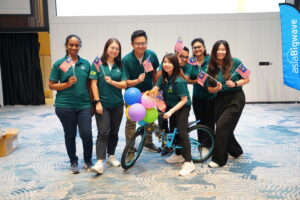
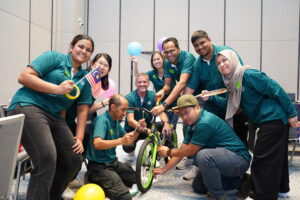
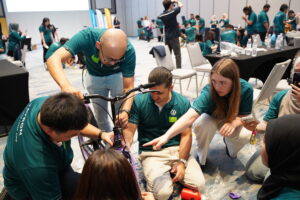
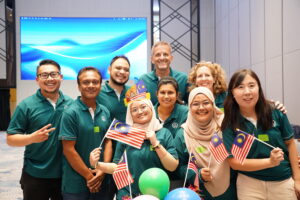
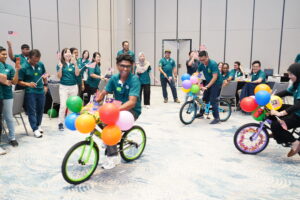
*Why Most CSR Programmes Give Back—but Few Actually Build the Team*
CSR team building training in Malaysia is more popular than ever. Companies run community service days, charity drives and volunteering events—often as a once-a-year obligation or a photo for the annual report. Yet many HR and L&D leaders admit the same frustration:
“Everyone felt good for a day—but it didn’t really change how the team works together.”
This gap is why CSR team building is being redefined. Organisations are no longer asking whether the CSR event was well attended. They are asking whether it strengthened collaboration, sharpened problem-solving, and reconnected people to the company’s core values.
*The uncomfortable truth about corporate CSR in Malaysia*
Most CSR activities fail to build teams for one reason: they are designed as donation events, not learning experiences. A cheque is presented, photos are taken—but teamwork, communication and decision-making are never actually tested.
*Why most CSR programmes in Malaysia stall—and how that’s changing*
Three structural problems keep repeating across Malaysian organisations:
1) CSR sits in the non-HR department.
CSR is often owned by PR, compliance or a rotating committee, disconnected from HR and L&D. As a result, it’s planned around reporting requirements rather than people development—so the same budget that could build teams simply funds a donation.
2) Impact is measured by the wrong number.
Success is usually reported as ringgit donated or hours logged—useful for a sustainability report, but silent on whether the team communicated better, solved problems together, or reconnected with company values.
3) It’s a one-off, not a system.
Most CSR runs as an annual event with no follow-through—no debrief, no link back to how the team should behave at work afterward. The goodwill fades by the next Monday.
The fix isn’t more CSR spending—it’s “better design”. When CSR sits alongside L&D, is measured by behavioural and culture outcomes rather than donation size, and is built with a deliberate debrief-and-application step, it stops being a compliance line item and becomes one of the most effective team development tools a company has.
*The shift: from CSR activities to purpose-driven team building*
High-impact organisations no longer ask “which charity should we support?” They ask: “What team behaviours and company values do we want this experience to strengthen?”
This is what a genuine “CSR team building programme” does—combining charity and community service with structured team-building elements:
- collaboration across functions and levels
- strategic thinking and planning under real constraints
- hands-on problem solving in unfamiliar environments
- motivation and re-engagement for tired or siloed teams
- lived reinforcement of company core values
These are team performance outcomes, built through service to others—not just a feel-good afternoon.
The value: individual, team and company
- Individuals: gain purpose, motivation, and hands-on exposure to problem-solving outside their usual role.
- Teams: build trust and collaboration through a real, shared challenge—relationships that carry back into daily work.
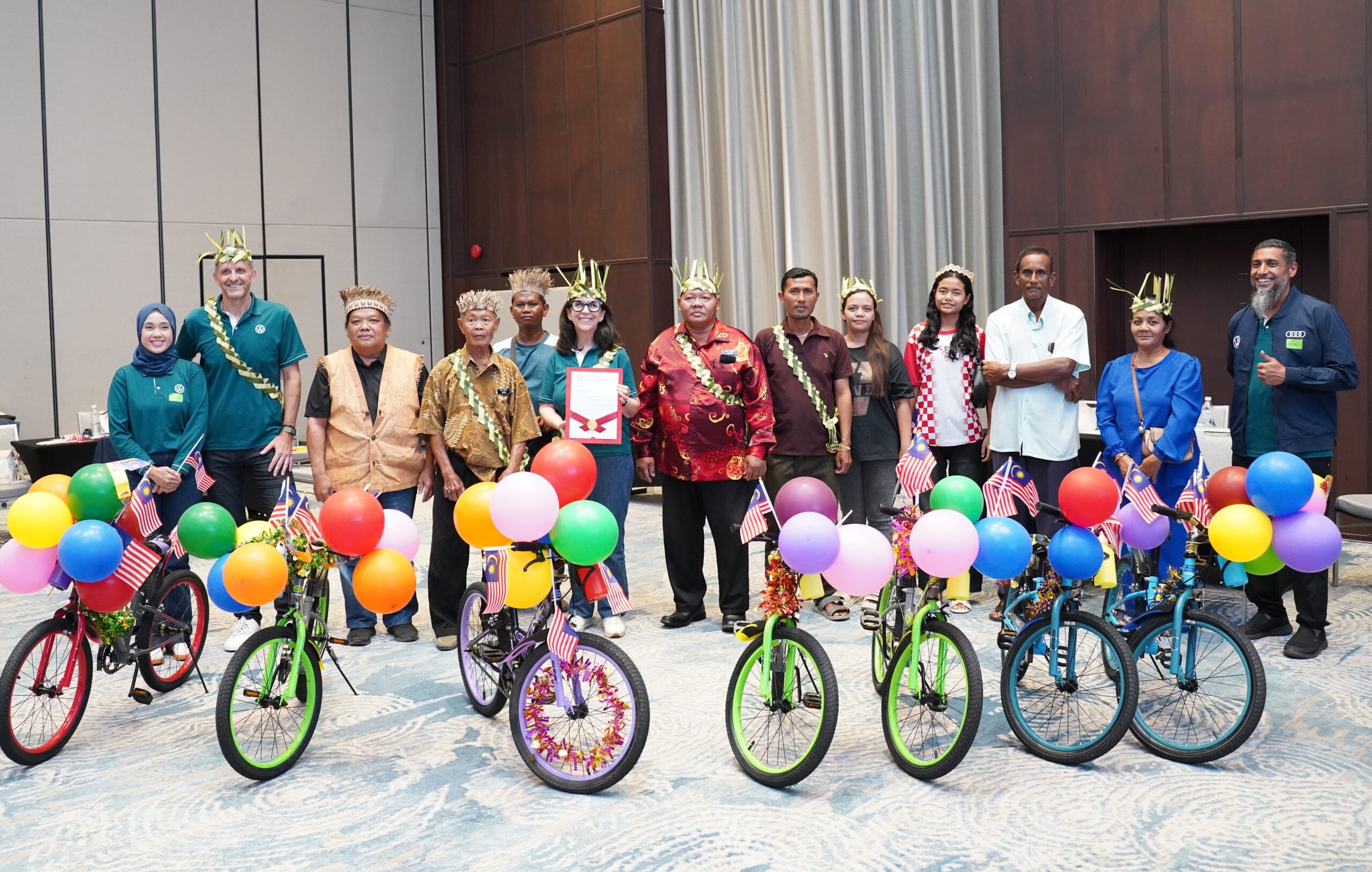
- Companies: get a visible refresh of core values, stronger workplace culture, reportable ESG/CSR outcomes, and a genuine contribution to underprivileged communities
*HRD Corp–claimable CSR training: opportunity and pitfall*
Many Malaysian companies don’t realise “CSR team building can be HRD Corp claimable”—when it’s designed with clear learning objectives, not just a donation drive. This lets you fund meaningful community impact and team development without competing against your training budget.
The pitfall: CSR run purely as a goodwill gesture, with no learning design, can’t be claimed—and the team-building value is lost with it. Claimability should be an enabler, not the objective.
*Tailored to your team, budget and cause*
No two organisations share the same dynamics or goals, so CSR team building shouldn’t come as a fixed package. We tailor the “cause”, the “team-building elements” (collaboration, strategy, problem-solving or motivation-focused), the “format and scale” (half-day to multi-day), and the “budget”—so meaningful CSR is accessible whether your group is 20 or 200.
The bottom line:
CSR team building in Malaysia is moving from one-off charity events to purpose-driven programmes that build collaboration, sharpen problem-solving, refresh core values and uplift underprivileged communities—all in one engaging learning journey.